Herbal Extracts Explained: A Safe Guide to What They Do and How to Use Them
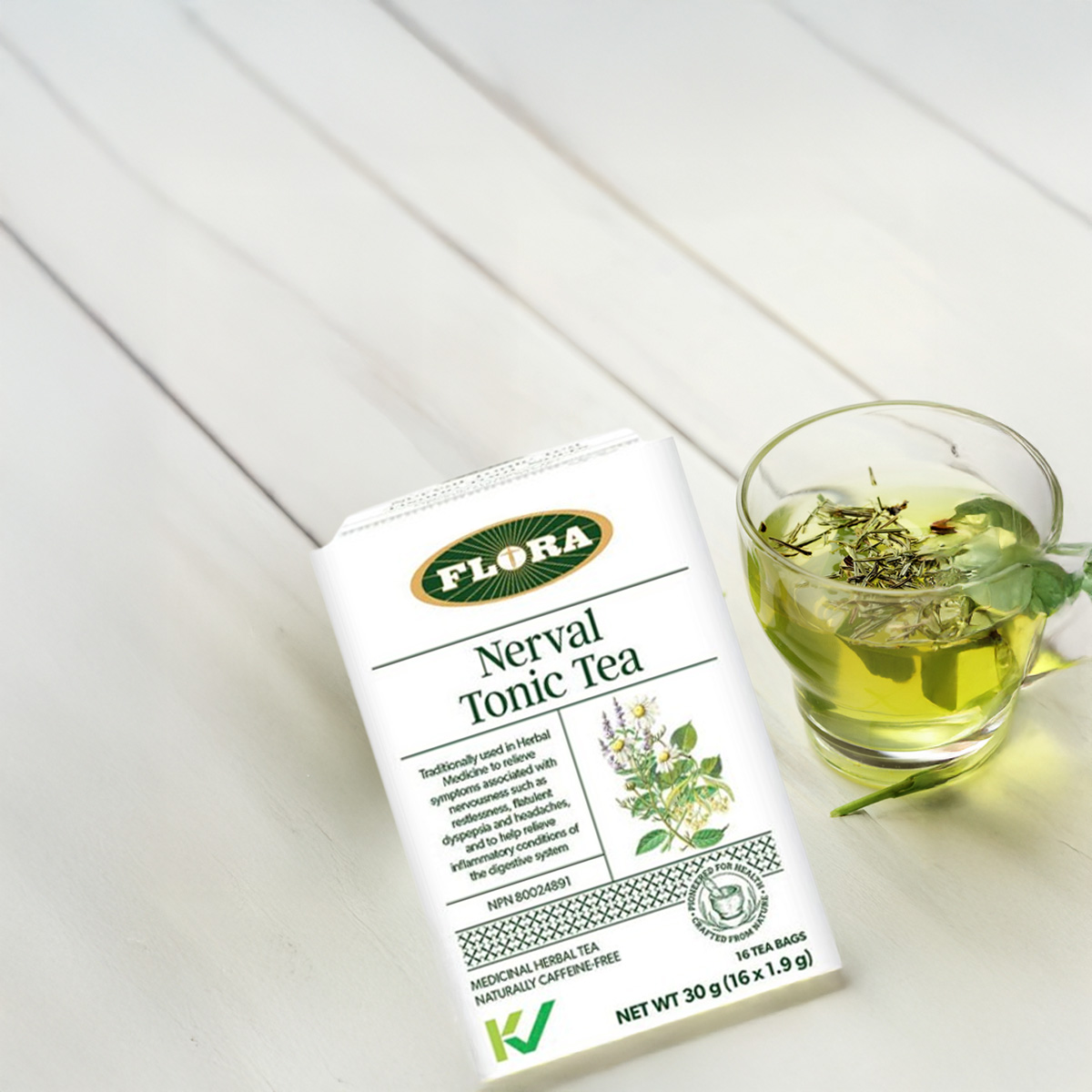
In the world of natural wellness, herbal extracts are gaining renewed attention. Unlike synthetic formulas, these plant-derived ingredients carry centuries of traditional use and are now backed by modern research. Whether you’re looking to ease stress, support immunity, or enhance vitality, herbal extracts can offer targeted support—if used wisely.
This guide explores how herbal extracts work, highlights some of the most effective ones, and provides simple tips for choosing and integrating them into your wellness routine.
DisclaimerThis article is for educational purposes only and should not replace medical advice. Always consult a qualified healthcare professional before starting or changing any herbal regimen. Dosages and effects can vary depending on individual health, age, and medical conditions. |
What Are Herbal Extracts?
Herbal extracts are concentrated forms of plants, typically made by soaking herbs in alcohol, water, or other solvents to draw out their active compounds. These extracts capture the phytochemicals—natural substances that contribute to a plant’s healing properties.
 |
You’ll find herbal extracts in various forms, including:
Herbal extracts can act as antioxidants, anti-inflammatory agents, or adaptogens — supporting the body’s ability to adapt to stress. |
"Herbal extracts are nature’s concentrated answers to modern wellness."
 |
Popular Herbal Extracts & Their Benefits
Turmeric (Curcuma longa)Key benefits:
Turmeric’s active component, curcumin, gives it its golden hue and healing power. Because curcumin is not easily absorbed, many supplements include black pepper extract (piperine) or advanced delivery systems to boost its bioavailability. |
 |
Ginseng (Panax ginseng)
Key benefits:
-
Supports energy, mental clarity, and stamina
-
Helps the body adapt to physical and mental fatigue
-
Promotes overall vitality and immune function
There are several varieties of ginseng, including Panax (Asian) and American ginseng, both known for their energizing properties. It’s a staple in traditional Chinese medicine and is often taken as a daily tonic to sustain alertness and endurance.
Ashwagandha (Withania somnifera)
Key benefits:
-
Acts as an adaptogen to help the body manage stress
-
May lower cortisol levels and support mood stability
-
Enhances focus, energy, and resilience
Ashwagandha has been used in Ayurvedic medicine for centuries as a rejuvenating herb. It supports adrenal health, helping the body maintain balance during physical or emotional stress. Some users also notice improved sleep and calmness over time.
Other Notable Herbal Extracts
 |
Willow Bark
Green Tea Extract
|
Chamomile & Hibiscus
-
Chamomile: calming, aids sleep and digestion
-
Hibiscus: rich in vitamin C and antioxidants; supports vascular health
These herbs are frequently blended in formulations for skin vitality, gut support, and stress relief.
 |
 |
Safety, Dosage & Overuse
Even natural remedies can cause side effects when misused. Herbal extracts are powerful, so start low and increase gradually if well tolerated. Avoid mixing too many formulas at once, and consult your healthcare provider if you take medications or have existing conditions.
Possible concerns with overuse:
-
Turmeric/Curcumin: May cause mild stomach upset or interfere with blood-thinning medications.
-
Ashwagandha: Not recommended for pregnancy; high doses may lead to drowsiness or digestive issues.
-
Ginseng: Overuse may cause insomnia or irritability in sensitive individuals.
-
Willow Bark: Should be used cautiously if allergic to aspirin or taking anticoagulants.
When in doubt, take breaks between cycles of herbal use—your body benefits from rest periods.
“Balance is key: too little won’t help, too much can harm.”
In Closing: Guided by Nature’s Balance
Herbal extracts represent one of the oldest and most trusted forms of natural medicine. From Turmeric’s golden strength to Ashwagandha’s calming power and Ginseng’s energizing lift, these botanicals can enhance well-being when chosen and used responsibly.
The key lies in quality, moderation, and awareness—knowing what your body needs and selecting herbs that support it. Whether you’re starting your morning with an herbal capsule or winding down with a calming tea, each extract offers a connection to nature’s intelligence and centuries of healing tradition.
DisclaimerThis article is for educational purposes only and should not replace medical advice. Always consult a qualified healthcare professional before starting or changing any herbal regimen. Dosages and effects can vary depending on individual health, age, and medical conditions. |